Penitencia Water Treatment Plant Residuals Management Project
Penitencia Residuals Management Project
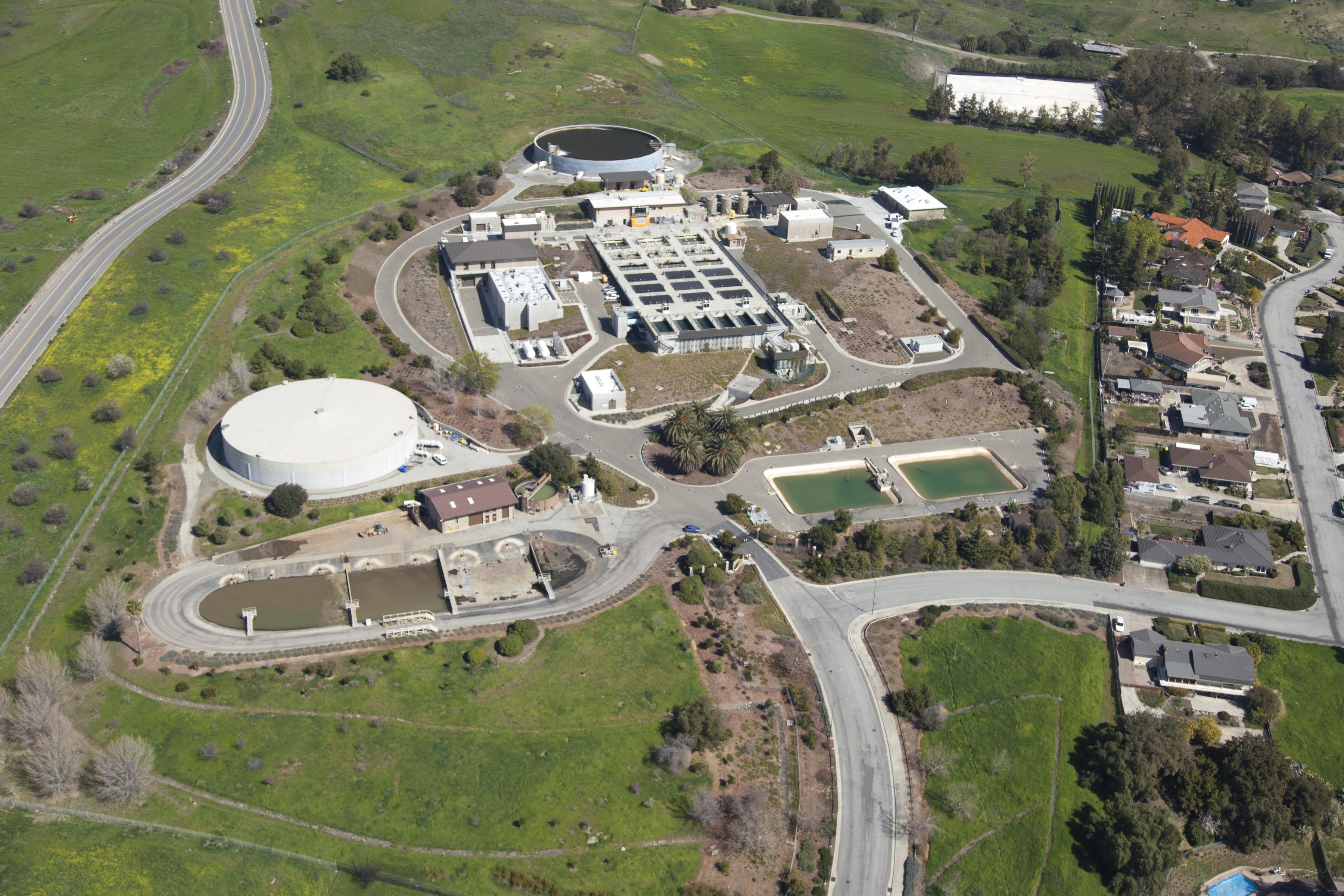
Every day, Valley Water treats and delivers clean, safe drinking water. It's a responsibility we don't take lightly and the number one goal of the Penitencia Water Treatment Plant. Work at the Penitencia Water Treatment Plant to have critical components that clean and treat your drinking water upgraded is scheduled to begin in early 2026. The project is the Penitencia Water Treatment Plant Residuals Management Project. The project will replace the plant's existing residuals management system (RMS). The RMS are the components that process, handle, and treat recovered washwater, and dispose of the sludge produced by the primary water treatment process.
The upgrades will improve the plant's operations and abilities to achieve water quality goals, address aging infrastructure and maintenance issues, and improve capacity, efficiency, and reliability. The completed project will extend the life of the RMS and increase the plant's reliability in treating and providing you with safe, clean drinking water.
Residuals Management System components that clean your water will be upgraded
The components of the RMS that will be upgraded include:
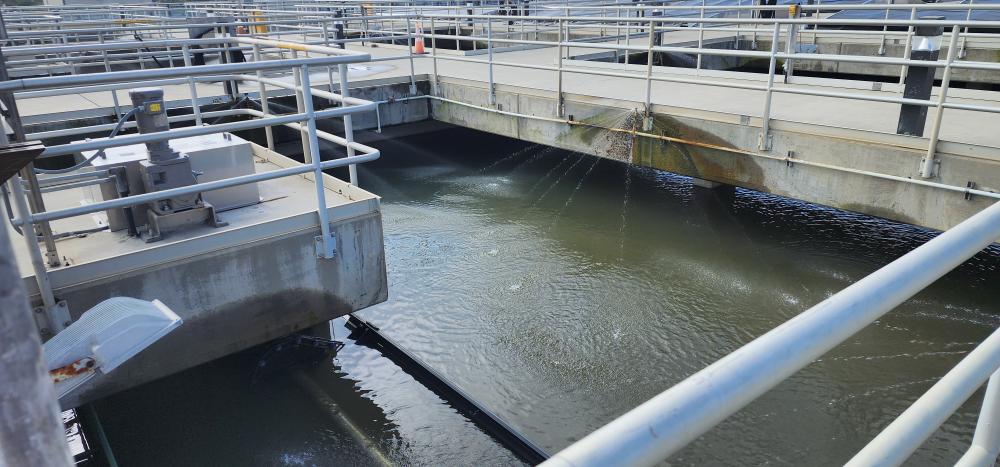
1. Sedimentation basin sludge withdrawal equipment: The water treatment process begins in these containers made of concrete that hold the water to be treated for drinking. Water gently mixes in the basins, allowing particles to settle as they separate from the water. As the particles settle, they become sludge, which we remove. Sludge is removed with manually operated equipment and then pumped to sludge holding basins
2. Sludge holding and dewatering facilities: Sludge from the sedimentation basins is removed with manually operated equipment and pumped into sludge holding basins. The sludge then undergoes a treatment process that utilizes a belt press method, which squeezes the sludge. This process yields dewatered solids and filtrate. Dewatered solids are disposed of at a landfill. The filtrate, which is turbid water, is pumped to the wash water recovery basins.
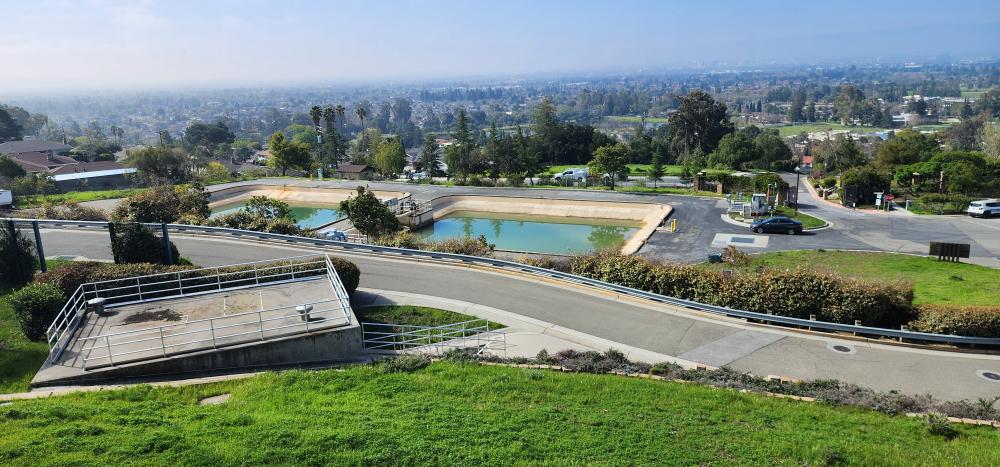
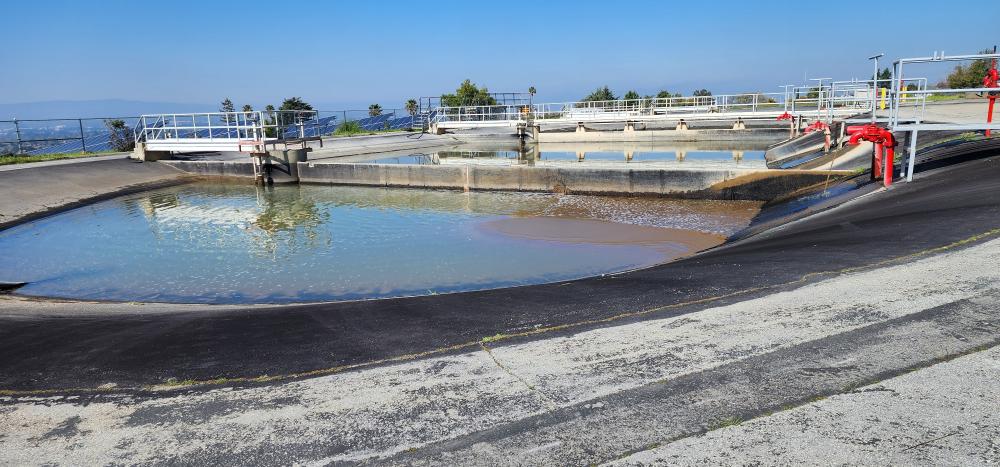
3. Washwater recovery basins: in addition to receiving the filtrate, these basins collect the discharged water when the plant washes its filtration system. Through gravity, the heavier particles settle to the bottom, becoming sludge. The recovered water is pumped back to the sedimentation basin to go through the primary water treatment process. The remaining sludge is returned to the sludge holding basins, where it undergoes the belt press method, squeezing the water out of the sludge.
Through this process, all water is saved and cleaned.
Work activities and timeline
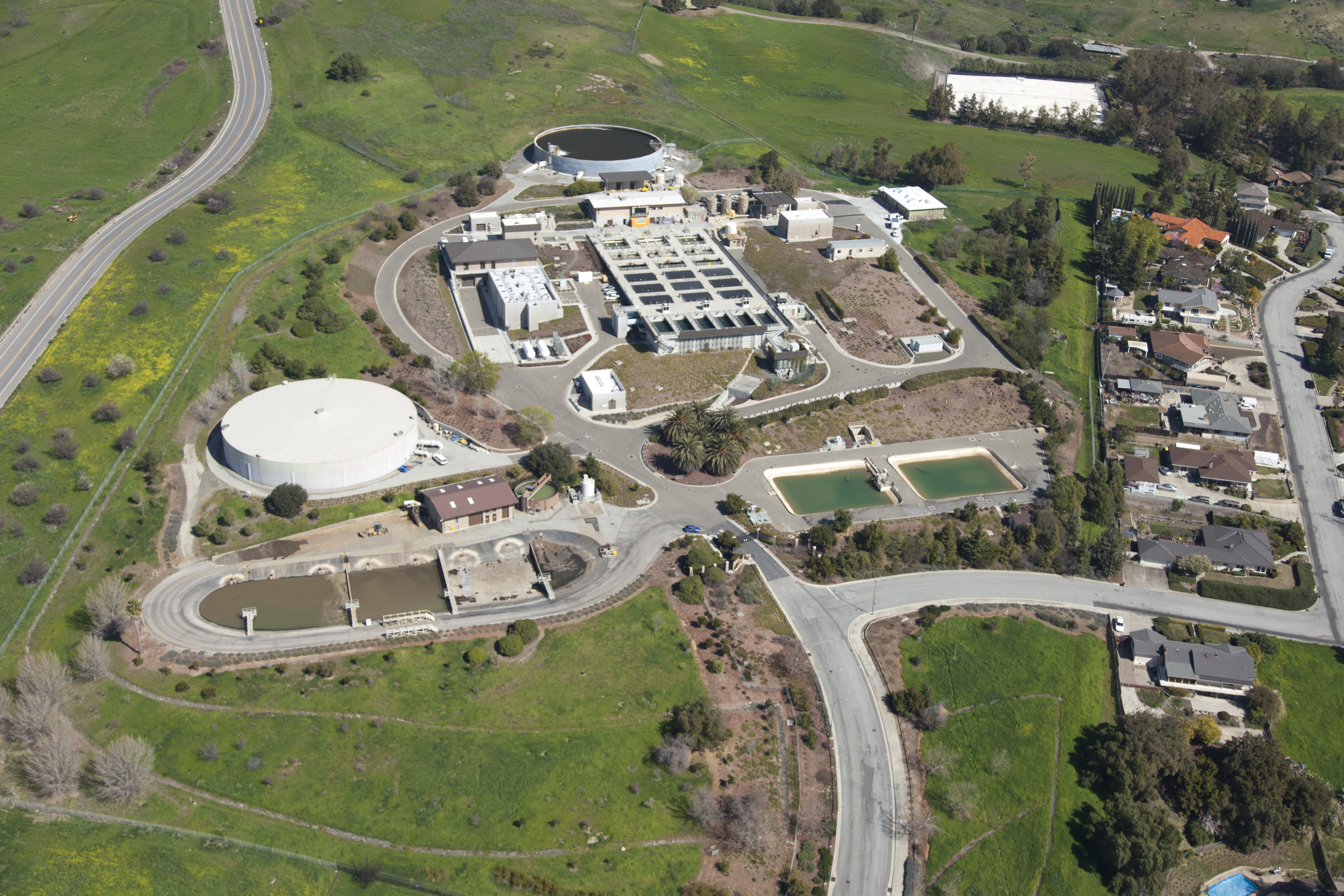
The upgraded RMS requires demolishing outdated process basins, mixing tanks, pump stations, equipment, electrical and instrumentation control rooms, and buildings that will be replaced with more efficient, automated, and modern facilities to support the current treatment plant capacity. The service road inside the plant will be extended, and new vegetation will be planted within the treatment plant after all construction work is complete. The map indicates the areas of the plant where work will be conducted.
Once construction begins in early 2026, it is expected to take approximately 5 years to complete the project. All work will occur inside the Penitencia Water Treatment Plant and construction staging areas located along Whitman Way. Some nearby neighbors may hear the construction activity during the scheduled work hours, which will be identified before the start of construction.
Please sign up to receive updates on next steps by clicking on the link to the right.
To learn more about the history of the Penitencia Water Treatment Plant and how it operates, click here.
Contact information
For project questions, contact Valley Water Public Information Representative, Jose Villarreal at 408-630-2879 or via email at [email protected].
Sign up to receive project updates via email.